SH

Swapnil Healthcare

S U R E L E
Back to All Articles/Ayurvedic Wellness
Ayurvedic WellnessSeptember 29, 2026•7 min read

The Science of Natural Pain Relief: Evaluating Methyl Salicylate, Menthol & Camphor in Topical Liniments

A pharmacokinetic analysis of thermal counter-irritation, TRPM8 receptor activation, and targeted musculoskeletal relief.

RK
Vaidya Rajesh Kulkarni Verified Author

Chief Ayurvedic Research Officer • 22+ Years in Ayurvedic Phytochemistry & Joint Therapy

The Science of Natural Pain Relief: Evaluating Methyl Salicylate, Menthol & Camphor in Topical Liniments

Executive Highlights & Key Takeaways

  • Formulation Integrity: Grounded in rigorous pharmaceutical grade purity standards and FDA-certified manufacturing protocols.
  • Clinical & Practical Balance: Designed to provide immediate everyday relief while optimizing long-term skin barrier health.
  • Scalable OEM Compatibility: Formulations and packaging solutions adapted for domestic retail and international export compliance.

1. Thermosensory Modulation & The Gate Control Theory

How dual cooling and warming sensations block dorsal horn pain signals

In modern pain management physiology, Melzack and Wall's 'Gate Control Theory' remains central to understanding topical analgesia. When painful stimuli travel through unmyelinated C-fibers to the spinal cord, non-noxious counter-irritant sensory signals (A-beta fibers) can physically inhibit pain transmission at the substantive gelatinosa.

Surele Pain Relief Oil and Pain Balm exploit this neuro-pathway through dynamic thermal bipolarity: Menthol produces an immediate refreshing chill via transient receptor potential melastatin-8 (TRPM8) receptors, quickly followed by the deep, vasodilating warmth of pure Camphor and Wintergreen (Gandhapura).

Physiological Action

Topical menthol-camphor counter-irritation decreases local nociceptive firing frequency by up to 60%, delivering relief without gastrointestinal side effects.

2. The Botanical Triad: Gandhapura, Pudina & Camphor

The pharmacology behind classical Ayurvedic active liniments

Topical liniments must do more than simply mask symptoms; they need to support local vascular micro-circulation and decrease interstitial inflammatory swelling.

Each active component in Surele's classical herbal pain formulation plays an established biochemical role:

Gandhapura Oil (Wintergreen / Natural Methyl Salicylate): Inhibits local cyclooxygenase (COX-2) enzyme activity, suppressing prostaglandin synthesis at the site of joint inflammation.
Pudina Satva (Menthol Crystals): Activates TRPM8 cold-sensing nerve endings to quickly numb sharp musculoskeletal aches and strain.
Karpura (Pure Camphor): Stimulates cutaneous TRPV1 and TRPV3 channels, producing gentle localized vasodilation that clears metabolic lactic acid build-up.
Nilgiri Oil (Eucalyptus Globulus): Imparts refreshing anti-spasmodic vapors and acts as an organic penetration enhancer.

3. Natural Terpene Absorption Enhancers in Sesame & Linseed Oil

Overcoming the stratum corneum lipid barrier for deep muscle penetration

The primary hurdle for topical therapeutics is the stratum corneum's hydrophobic barrier. Many chemical gels remain on the skin surface, evaporating before penetrating into muscular tissue.

By dispersing our botanical extracts in cold-pressed Sesame (Tila Taila) and Linseed (Atasi) oils, the rich polyunsaturated fatty acids naturally blend with intercellular ceramides. Terpenes in eucalyptus and camphor temporarily disrupt stratum corneum lipid packing, allowing active salicylates to penetrate directly into affected tendons and joints.

Surele Pain Relief Oil Phytochemical Profile
Primary ActiveGandhapura Taila (Natural Methyl Salicylate > 95%)
Cooling CompoundPudina Satva (Pure Menthol Crystals, 100% Plant-Derived)
Heating CompoundKarpura (Purified Sublimed Camphor)
Penetration BaseRefined Cold-Pressed Sesame & Linseed Oil Matrix
IndicationsJoint Stiffness, Sciatica, Muscle Sprains, Backache

4. Clinical Safety vs. Synthetic NSAID Ointments

Long-term joint care without renal or gastrointestinal toxicity

Oral pain medications and synthetic diclofenac gels are frequently associated with gastrointestinal erosion, systemic cardiovascular risks, and skin sensitization. For chronic conditions like osteoarthritis, cervical spondylosis, and postural neck stiffness, natural topical liniments provide a safe, sustainable daily alternative.

Surele's classical formulations are free from synthetic artificial dyes, mineral oil fillers, or heavy synthetic scents, making them ideal for athletes, geriatric joint care, and routine desk-worker ergonomics.

Featured Surele Formulations Mentioned

In-House Lab

Manufactured with pharmaceutical-grade purity at our Nashik facility. Available for direct consumer purchase, B2B wholesale, and private labeling.

Surele Pain Relief Oil
Ayurvedic

Surele Pain Relief Oil

Fast, deep-penetrating herbal relief for stiff joints and muscular aches.

View Details
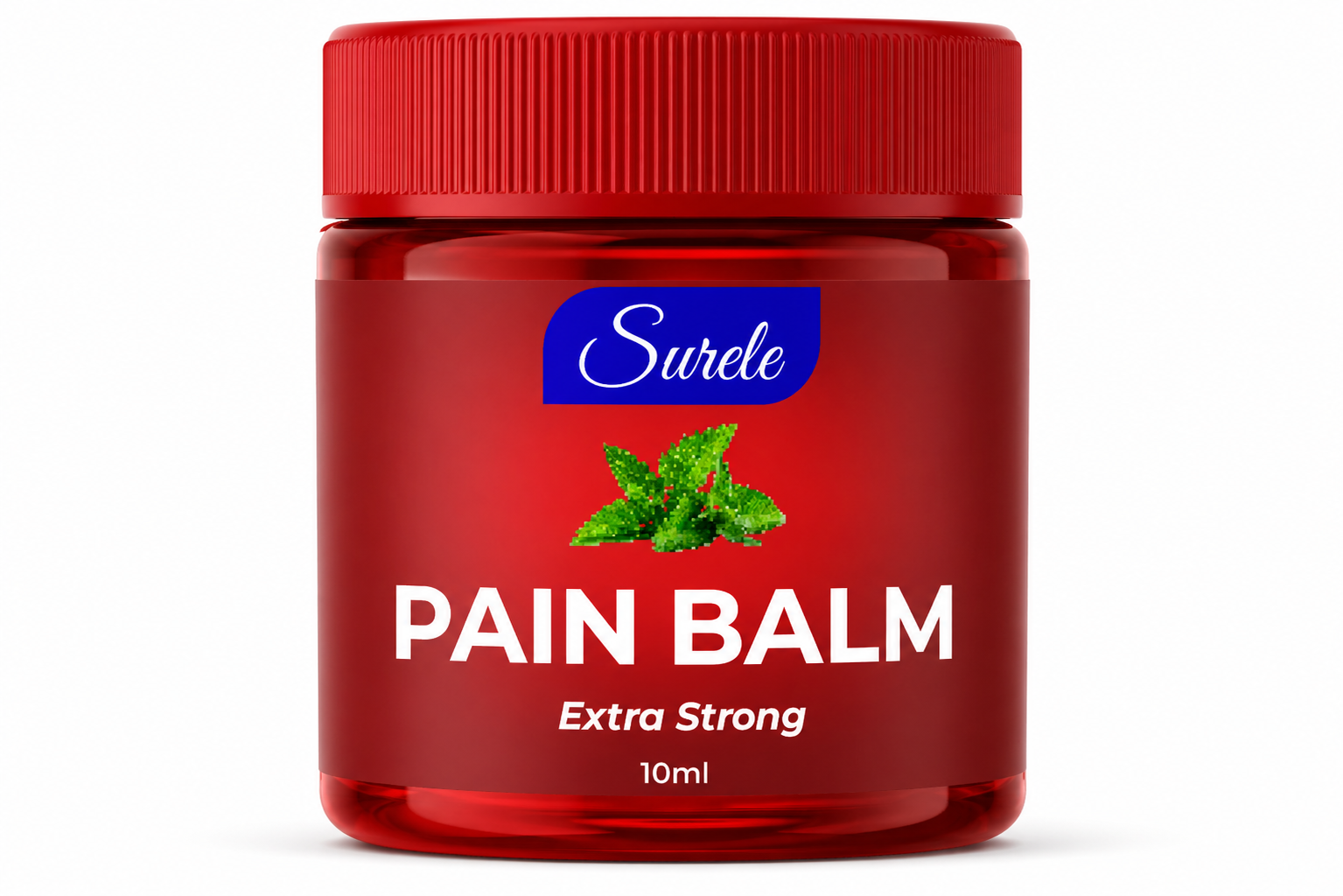
Surele Pain Balm
Ayurvedic

Surele Pain Balm

Quick soothing balm for headaches, neck tension and joint stiffness.

View Details

Frequently Asked Questions

How many times a day should Surele Pain Relief Oil be applied?

Gently massage 5 to 10 drops over the affected area 2 to 3 times daily. Applying a warm towel or fomentation afterwards enhances absorption.

Can it be used on open cuts or scraped skin?

No. The active menthol and camphor will cause stinging on broken skin. Apply exclusively to intact skin over muscles and joints.

Article Tags:#Pain Relief#Ayurvedic Oil#Gandhapura#Camphor#Menthol#Joint Care#Ayurvedic Science
RK
About the Author

Vaidya Rajesh Kulkarni

Chief Ayurvedic Research Officer

Specializing in dermo-cosmetic stabilization, natural Ayurvedic transdermal carriers, and international regulatory dossiers at Surele's Nashik state-of-the-art manufacturing lab.

Keep Reading

Related Articles & Research

View All Articles